Why Bundle Network Cabling Installation and Maintenance
Discover why combining network cabling installation and maintenance can reduce downtime, simplify upgrades, and keep your warehouse connected.
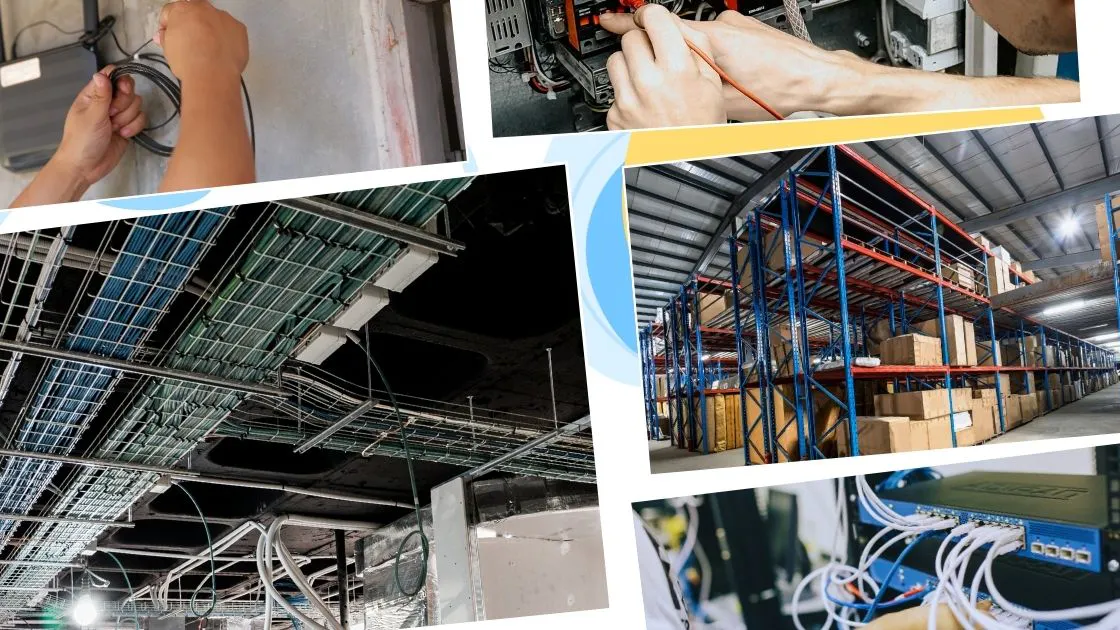
For warehouse managers and executives, network infrastructure is no longer just an IT concern. Nearly every part of a modern warehouse depends on reliable connectivity, from inventory systems and barcode scanners to security cameras, access controls, wireless networks, automation, and shipping operations.
Yet many facilities still treat network cabling installation and network maintenance as two separate projects. One contractor installs the infrastructure, while another company is called months or years later when something stops working.
At CalComm Systems, we believe there is a better approach. Bundling professional network cabling installation with ongoing maintenance can offer a wide variety of benefits, including:
- Simplify infrastructure management
- Reduce downtime
- Control long-term costs
- Give warehouse leaders greater confidence in the systems supporting daily operations
Your Warehouse Depends on More Than an Internet Connection
When people think about warehouse connectivity, Wi-Fi is often the first thing that comes to mind. But the network behind that Wi-Fi can support dozens of critical systems. Depending on the facility, structured cabling may connect:
- Warehouse management systems
- Desktop computers and workstations
- Wireless access points
- Barcode and RFID equipment
- VoIP phone systems
- Security cameras
- Access control systems
- Printers and shipping stations
- Automated warehouse equipment
- Building management technology
- Servers and network equipment
A problem with the underlying network can therefore become an operational problem. A damaged cable could affect a camera. A poorly placed access point could create a wireless dead zone where scanners struggle to connect. An overloaded or poorly organized network rack can make troubleshooting more difficult.
For warehouse leaders, the goal shouldn't simply be to get the network installed. It should be to keep the infrastructure reliable throughout the life of the facility.
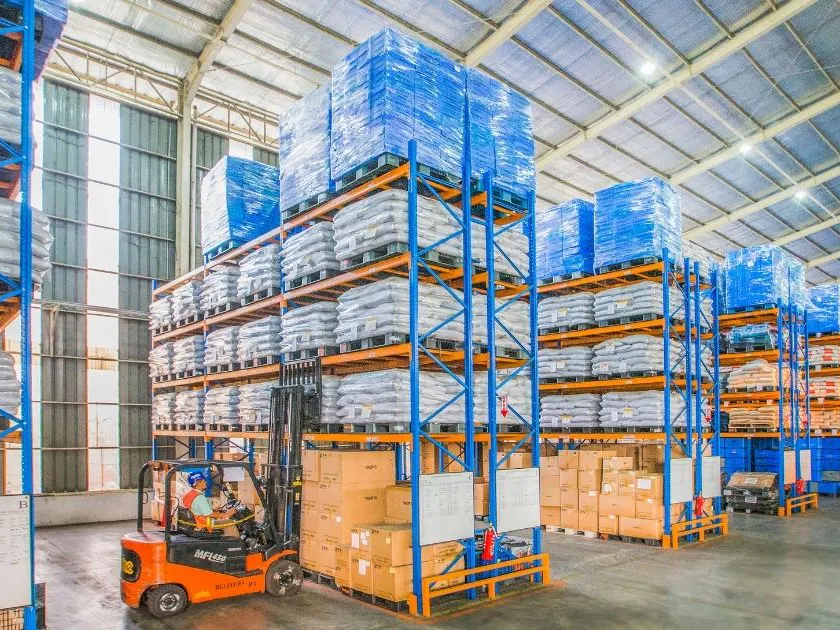
Professional network cabling installation paired with ongoing maintenance helps businesses reduce downtime and keep their network infrastructure reliable.
8 Reasons to Bundle Network Cabling Installation and Maintenance
1. One Company Understands Your Network From the Beginning
One of the biggest advantages of bundling installation and maintenance is continuity.
When the same network cabling contractor installs and maintains the system, its technicians already understand how the infrastructure was built. They know the cable pathways, network rack configuration, equipment locations, labeling system, and overall design.
That knowledge becomes valuable when something needs attention. If you bring in a new contractor they must first determine how another company built the system. Working with the same team means your provider can begin with an existing understanding of the infrastructure.
This can make troubleshooting faster and help reduce unnecessary disruption. For a large warehouse with hundreds of cable runs, that familiarity can be especially valuable.
2. Preventive Maintenance Can Reduce Unexpected Downtime
Warehouses are demanding environments for network infrastructure. Heat, dust, vibration, equipment movement, construction, forklifts, rodents, and routine facility changes can all affect cabling over time. Even a professionally installed network can eventually develop problems.
The challenge is that network problems don't always announce themselves immediately.
A damaged connection may first appear as an occasional scanner issue. A cable could become loose without completely disconnecting. Network equipment may gradually become overcrowded as new devices are added.
Ongoing maintenance gives warehouse operators an opportunity to identify developing issues before they become larger failures.
Depending on the facility, routine network maintenance may include inspecting cabling, testing connections, reviewing network racks, checking labeling, identifying damaged components, and evaluating whether infrastructure still meets operational needs.
The objective is simple: find smaller problems before they create larger disruptions.
3. Troubleshooting Becomes Faster and More Efficient
When warehouse connectivity fails, the real cost isn't always the repair bill. It is the time employees spend waiting for the problem to be resolved.
Imagine scanners repeatedly losing connectivity in a picking area. The warehouse may experience slower fulfillment, frustrated employees, delayed shipments, and additional labor costs while the problem is investigated.
If the maintenance provider also installed the cabling, technicians have a head start. They know where cables terminate. They understand how racks were configured. They can reference the original installation and identify what may have changed.
For operations where every hour matters, reducing troubleshooting time can have a meaningful business impact.
4. Bundling Can Improve Long-Term Cost Planning
Emergency repairs are difficult to budget. Preventive maintenance is much easier.
Bundling network cabling installation with ongoing maintenance allows you to think about network infrastructure as a long-term operational investment rather than a series of unrelated projects. Stop repeatedly searching for a contractor whenever something fails. Get an established resource that already understands the network.
Regular maintenance may also help identify upcoming infrastructure needs early enough to include them in capital or operational budgets. For example, an inspection might reveal that a warehouse is approaching capacity in a network rack or that additional access points will be needed to support an upcoming expansion.
Knowing about those needs ahead of time allows management to plan instead of react.
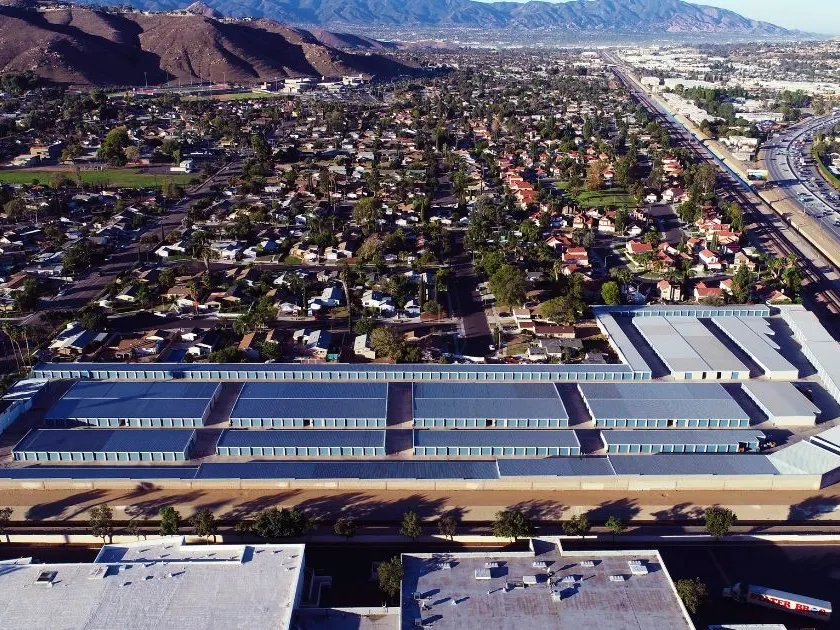
Large commercial and warehouse facilities depend on reliable infrastructure. Hiring the right cabling company for installation and ongoing maintenance helps keep networks organized, scalable, and ready for growth.
5. Your Network Can Grow With Your Warehouse
Warehouses rarely stay exactly the same. A facility might add new racking, redesign picking areas, install additional security cameras, expand office space, introduce automation, increase wireless coverage, or deploy new inventory technology.
Each change can create new network requirements. An ongoing relationship with the company that installed the infrastructure makes expansion easier to manage.
Instead of treating every addition as a standalone project, new cabling can be incorporated into the existing network with attention to organization, capacity, labeling, and future growth.
This becomes especially important in facilities that expand in phases.
Without consistent infrastructure management, years of small additions can eventually produce tangled racks, abandoned cables, confusing labels, and systems that are difficult to troubleshoot.
6. Better Cable Management Makes Future Work Easier
Good network infrastructure should not only work today. It should also be understandable tomorrow. Proper labeling, clean cable routing, organized racks, and documented connections can dramatically simplify future maintenance and expansion.
When one network cabling company maintains responsibility for the system over time, there is a greater opportunity to preserve those standards.
That consistency matters.
If several contractors make additions without following the same organization and labeling practices, the network can become increasingly difficult to manage. Eventually, even a simple troubleshooting job may require technicians to spend significant time tracing cables and determining where connections lead.
A clean network rack isn't simply about appearance. It can improve serviceability.
7. Maintenance Provides Opportunities to Evaluate Aging Infrastructure
Network demands change quickly. A cabling system that adequately supported a warehouse years ago may struggle with today's combination of cameras, wireless devices, scanners, computers, phones, access controls, and automated equipment.
Ongoing maintenance creates natural opportunities to evaluate older infrastructure.
Technicians can identify aging components, damaged cables, capacity concerns, or areas where newer technology may improve reliability.
That doesn't mean a warehouse needs to replace infrastructure every time something newer becomes available. Instead, management gains better information about what is working, what may need attention, and where future investments could have the greatest impact.
For executives responsible for capital planning, that visibility can be extremely useful.
8. Accountability Becomes Much Simpler
One of the most frustrating situations for warehouse managers occurs when multiple vendors are involved and nobody wants to take responsibility for a problem.
The internet provider says the cabling is the issue. The IT company says it is a hardware problem. The cabling contractor says the network equipment is responsible. Meanwhile, warehouse operations are still being affected. Bundling installation and maintenance reduces the number of unknowns.
You have an established infrastructure partner that understands the physical network and can help identify whether a connectivity issue originates with the cabling or needs to be addressed by another technology provider.
That can make vendor management considerably easier for facility managers and executives.
Think About Network Cabling as Infrastructure, Not a One-Time Project
Warehouse leaders routinely maintain forklifts, loading equipment, HVAC systems, fire protection systems, and other critical infrastructure. Network cabling deserves similar consideration.
Installing a structured cabling system is only the beginning.
As the warehouse changes, the network changes with it. New devices are connected. Equipment gets moved. Cables can become damaged. Racks become more crowded. Technology requirements increase.
A network that is installed correctly and maintained consistently is much better positioned to support those changes.
Build a Long-Term Network Strategy With CalComm Systems
At CalComm Systems, we work with warehouses and industrial facilities to build network infrastructure designed around real operational requirements.
Our goal isn't simply to run cable and leave. We help businesses think about how their infrastructure will support employees, equipment, security, communications, and future growth.
By combining professional network cabling installation with ongoing maintenance, warehouse operators can create a more organized approach to connectivity while reducing the uncertainty that comes with managing multiple vendors.
Whether you're building a new warehouse, expanding an existing facility, upgrading aging infrastructure, or trying to improve network reliability, having one experienced partner for installation and maintenance can make the process significantly easier.
Your warehouse network is a long-term asset. It should have a long-term plan.


