Why Network Cabling Is the Backbone of a Wired Network
Behind every fast, secure, and reliable wired network is a solid cabling infrastructure. Network cabling is the foundation that connects devices, moves data efficiently, and keeps systems running without interruption.
When people think about networks, they often focus on flashy components like servers, switches, or high-speed internet connections. But none of those elements can perform at their best without one critical foundation: network cabling. In a wired network, cabling is the backbone that connects everything together and ensures data moves quickly, securely, and reliably.
What Is Network Cabling?
Network cabling refers to the physical cables that connect devices within a network. These cables carry data between computers, servers, routers, switches, access points, and other connected equipment. Common types include Ethernet cables (such as Cat5e, Cat6, and Cat6A), fiber optic cables, and coaxial cables. Each cable is designed for specific speeds, distances, and environments.
In a wired network, every piece of data travels through these cables. That makes their quality, design, and installation essential to overall performance.
The Foundation of Speed and Performance
No matter how fast your internet service or how powerful your hardware, your network can only move data as efficiently as your cabling allows. Poor-quality or outdated cables can slow down data transfer, increase latency, and cause bottlenecks that affect everything from file sharing to video conferencing. Poorly installed cables can lead to similar problems.
Properly installed, modern network cabling supports higher speeds, greater bandwidth, and more stable connections. This is especially important in environments with heavy data use, such as offices, medical facilities, schools, and industrial settings.

Properly installed data cabling helps keep staff working efficiently, allows for seamless growth, and enhances security.
Reliability You Can Count On
Wireless networks are convenient, but they can be affected by interference, distance, and physical obstacles. Wired networks, on the other hand, rely on solid physical connections. High-quality network cabling provides consistent performance and reduces the risk of dropped connections or intermittent outages.
This reliability is why wired networks remain the standard for mission-critical systems, including servers, security systems, point-of-sale systems, and enterprise-level applications.
Security Starts at the Cable
Network security isn’t just about software and firewalls. Physical infrastructure plays a major role as well. Wired networks are inherently more secure than wireless ones because access requires a physical connection to the network.
Well-designed network cabling, combined with proper access controls and secure equipment rooms, helps protect sensitive data from unauthorized access. For businesses handling confidential information, this physical layer of security is a major advantage.
Scalability and Future-Proofing
A well-planned cabling system makes it easier to grow and adapt over time. Structured network cabling allows new devices, workstations, and systems to be added without rewiring the entire network.
Choosing the right cable types and installation standards today can also help future-proof your network. As data demands increase and technology evolves, quality cabling ensures your infrastructure can support upgrades without costly overhauls.
Professional Installation Matters
Even the best cables won’t perform properly if they’re poorly installed. Professional network cabling installation ensures correct routing, labeling, termination, and testing. This reduces downtime, simplifies troubleshooting, and extends the life of your network infrastructure.
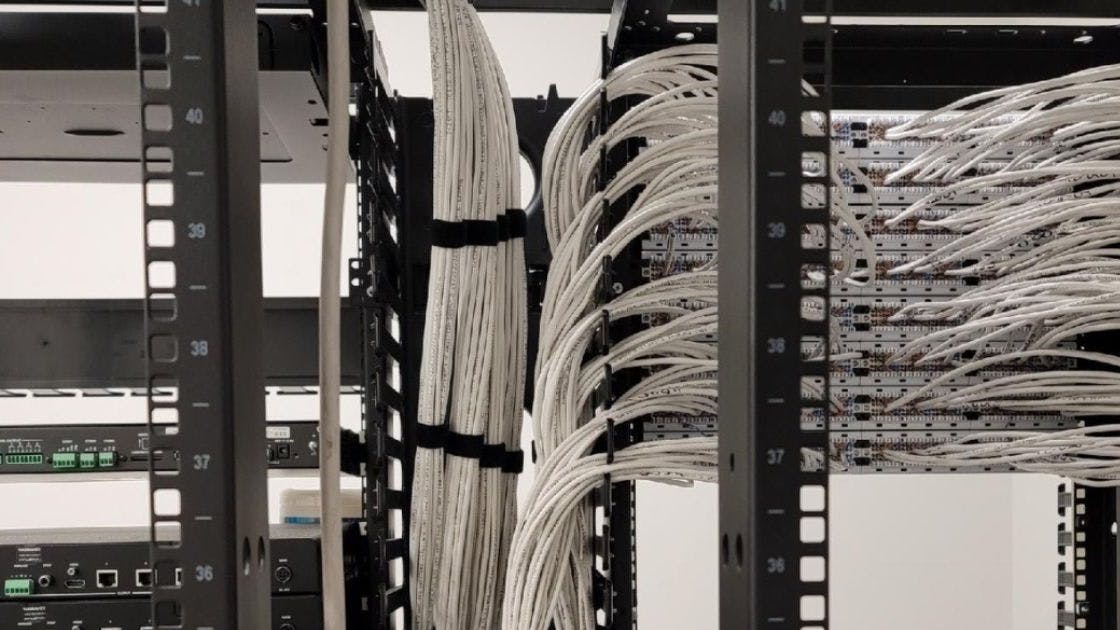
Clean, organized cabling also improves airflow, reduces clutter, and makes ongoing maintenance far easier.
The Backbone of Every Wired Network
Network cabling may not be the most visible part of your IT setup, but it is the most essential. It supports speed, reliability, security, and scalability—everything a wired network depends on to function properly.
Whether you’re building a new network or upgrading an existing one, investing in high-quality network cabling and professional installation is one of the smartest decisions you can make. A strong backbone ensures your entire network performs the way it should, today and well into the future.